
 Rentals with Hot Tubs
 Hill Country View Rentals
 Pet-Friendly Rentals
 Rentals with Pools
 Waterfront Rentals
Each spring, the rolling hills of Central Texas transform into one of America’s most breathtaking natural spectacles. From mid-March through May, millions of wildflowers carpet the limestone-rich land, creating a vibrant tapestry that draws visitors from across the nation. This magnificent display of Texas Hill Country wildflowers represents one of the most diverse and accessible wildflower experiences in the United States.
For those captivated by this stunning landscape, consider making it your second home. The Hye Springs Ranch community offers an unparalleled opportunity to live amidst the beauty of Texas Hill Country wildflowers year-round.
Embrace the rolling hills, vibrant blooms, and peaceful surroundings by purchasing a home in this exceptional community—where nature’s splendor greets you every day. This is your guide on finding the best local blooms in Texas Hill Country.
Best Locations for Wildflower Viewing
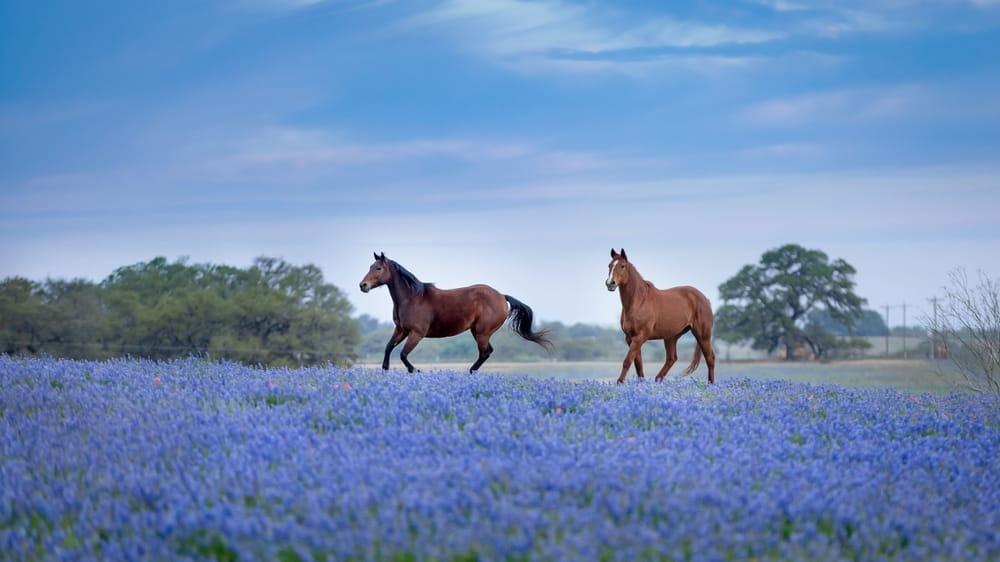
Photo Credit: Wirestock Creators
The Hill Country’s unique combination of limestone soils, moderate rainfall, and diverse terrain creates ideal conditions for over 400 documented wildflower species. Whether you’re planning your first wildflower adventure or returning as a seasoned bloom chaser, this comprehensive guide will help you make the most of your visit to witness the natural wonder that unfolds across the Texas hills each spring.
Discover the best locations to experience the breathtaking Texas Hill Country wildflowers, where vibrant blooms paint the landscape each spring. From scenic drives to state parks, these spots offer unforgettable views of colorful blooms, showcasing the region's natural beauty.
Willow City Loop
The Willow City Loop near Fredericksburg is a famous 13-mile scenic drive renowned for its dense bluebonnet and Indian paintbrush blooms. Visitors can enjoy numerous pull-offs perfect for photography and exploration, with peak bloom typically occurring in late March and early April.
Marble Falls and Burnet
Known as the “Bluebonnet Capital of Texas,” the Marble Falls and Burnet area hosts an annual festival celebrating the peak wildflower bloom each April. The town of Burnet becomes a hub for enthusiasts with guided tours, photography workshops, and family-friendly activities.
Enchanted Rock State Natural Area
Set against an iconic, pink granite dome, Enchanted Rock State Natural Area boasts diverse habitats supporting a variety of wildflowers. Visitors can take to the park's hiking trails to witness early spring bluebonnets in meadows and vibrant summer purple blooms on rocky slopes.
Pedernales Falls State Park
Pedernales Falls State Park offers excellent wildflower viewing along its hiking trails, with meadows and riparian zones that support a diverse array of plant species. Its varying elevations extend the blooming season and enhance species variety.
Inks Lake State Park
Combining wildflower viewing with outdoor recreation, Inks Lake State Park’s has trails traversing different habitats. Here, you can see how soil and topography influence wildflower distributions across the landscape.
Local Vineyards
Experience the beauty of Texas Hill Country wildflowers while savoring the region’s renowned wines at local vineyards. Many vineyards, such as Becker Vineyards in Fredericksburg, Duchman Family Winery in Driftwood, and Flat Creek Estate in Marble Falls, offer picturesque settings where colorful blooms flourish alongside sprawling grapevines.
Visiting these vineyards during wildflower season provides a unique opportunity to enjoy scenic drives, wine tastings, and vibrant floral displays all in one memorable outing. Be sure to check vineyard event calendars, as some host special springtime celebrations centered around the wildflower bloom.
Wildflower Species to Look for in Hill Country
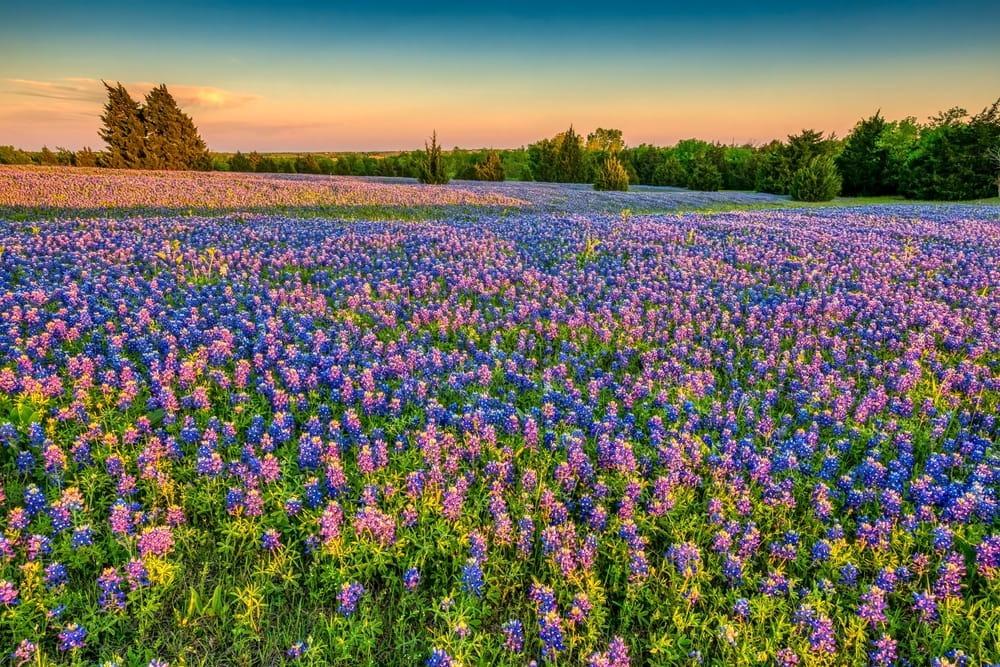
Photo Credit: Brent Coulter
Texas Hill Country is home to a stunning variety of wildflowers that paint the landscape with vibrant colors each spring. Among the most common and beloved species are the iconic bluebonnets, fiery Indian paintbrushes, delicate pink evening primroses, and cheerful black-eyed Susans, each contributing to the region’s rich floral tapestry.
Bluebonnets (Lupinus texensis)
The bluebonnet, Lupinus texensis, reigns as Texas’s official state flower and the undisputed star of Hill Country wildflower season. These annual florals germinate in fall, overwinter as small rosettes, then send up distinctive blue flower spikes in March and April. A single bluebonnet plant can produce dozens of blooms, and, when conditions align perfectly, they create the famous blue carpets that define Texas spring.
Bluebonnets prefer the limestone soils common throughout the Hill Country, and their deep taproots help them access moisture during dry periods. The flowers provide crucial early-season nectar for native bees, honeybees, and butterflies emerging from winter dormancy.
Indian Paintbrush (Castilleja)
Indian paintbrush serves as the perfect complement to bluebonnets, its bright red-orange blooms creating stunning color combinations across Hill Country meadows. These unique plants are hemiparasitic, meaning they photosynthesize like normal plants, but also tap into the roots of neighboring species for additional nutrients.
Indian paintbrush typically blooms from March through May, with peak displays often coinciding with bluebonnet season. The colorful bracts that create the “paintbrush” effect are actually modified leaves, while the true flowers remain small and inconspicuous.
Pink Evening Primrose (Oenothera speciosa)
The pink evening primrose creates carpets of delicate pink and white flowers from April through June. This drought-tolerant perennial spreads by underground rhizomes, forming large colonies along roadsides and in disturbed areas.
Despite its name, pink evening primrose flowers often remain open throughout the day in the Hill Country, rather than opening only at dusk as occurs in some regions. The four-petaled blooms typically measure 1-2 inches across and feature a distinctive yellow center.
Drummond’s Phlox (Phlox drummondii)
Drummond’s phlox adds variety to spring wildflower displays, with its five-petaled flowers in shades of white, pink, red, and purple. These annual plants prefer sandy or well-drained soils and often create dense patches in open areas and along roadsides.
The flowers attract butterflies and other pollinators, while the seeds provide food for birds and small mammals. Phlox typically blooms from March through May, bridging the gap between early spring bluebonnets and later summer species.
Black-eyed Susan (Rudbeckia hirta)
Black-eyed Susan brings vibrant yellow color to Hill Country landscapes from July through November. These hardy perennials thrive in full sun and have adapted well to the region’s limestone soils and summer heat. The distinctive yellow petals surrounding dark centers create classic daisy-like blooms that attract numerous pollinators.
These resilient plants often self-seed readily, establishing new populations in suitable habitats. They provide important late-season nectar sources when many spring wildflowers have finished blooming.
Mexican Hat (Ratibida columnifera)
Mexican hat, also called prairie coneflower, produces distinctive sombrero-shaped flowers in yellow and red-brown combinations. The drooping petals and elongated central cone create an unmistakable silhouette that blooms from May through early fall.
This drought-tolerant perennial adapts perfectly to Hill Country conditions, thriving in thin soils and intense summer heat. The long blooming period makes it valuable for extending the wildflower season well beyond the spring peak.
Turk’s Cap (Malvaviscus arboreus var. drummondii)
Turk’s cap produces unique, red, turban-like blooms that never fully open, creating a distinctive appearance from other wildflowers. These native shrubs bloom from June through October, providing crucial nectar sources for hummingbirds and butterflies during summer and early fall.
The bright red flowers stand out dramatically against the plant’s heart-shaped leaves, making Turk’s cap a favorite among wildlife photographers and gardeners seeking native alternatives to non-native landscaping plants.
Coral Honeysuckle (Lonicera sempervirens)
Coral honeysuckle produces clusters of red, tubular flowers that hummingbirds find irresistible. This native vine blooms from April through September, providing consistent nectar throughout the growing season. Unlike its invasive cousin, the Japanese honeysuckle, coral honeysuckle remains well-behaved and supports native wildlife.
The trumpet-shaped flowers appear in terminal clusters, followed by red berries that feed songbirds during fall migration. This species demonstrates how native plants provide multiple benefits to wildlife throughout their life cycle.
Best Times to Experience Peak Blooms in Texas Hill Country
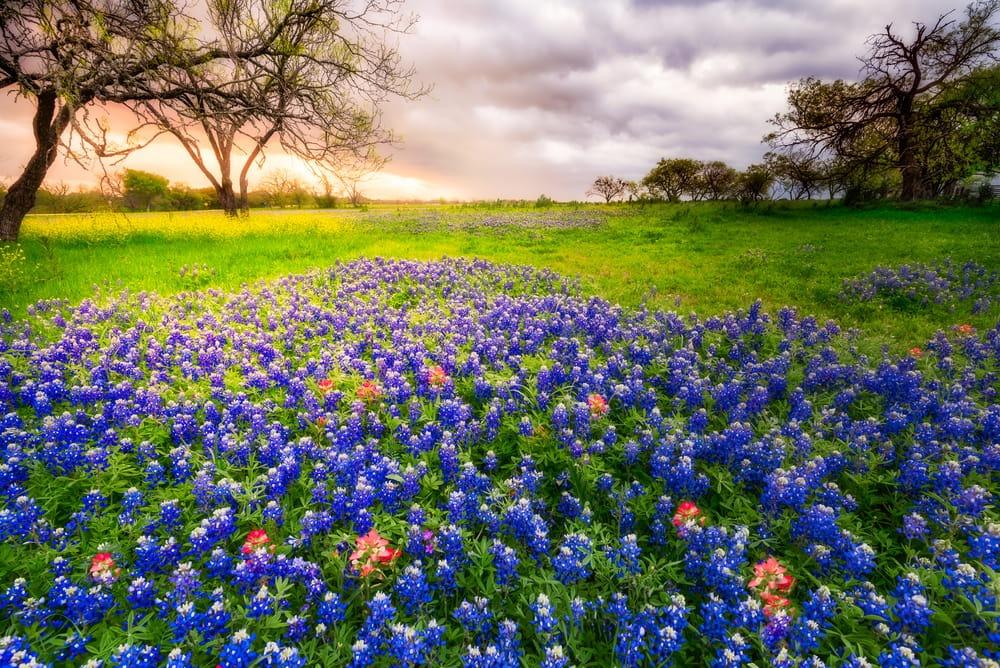
Photo Credit: Dean Fikar
Timing your viewing experience is key to experiencing the vibrant peak blooms of Texas Hill Country wildflowers. Understanding the seasonal progression helps you catch the most breathtaking displays from early spring through late spring.
Early Season (March)
Early March marks the beginning of wildflower season in the warmer southern portions of the Hill Country. The first bluebonnets typically appear during the first week of March, starting in protected areas and south-facing slopes where soil temperatures warm earliest.
Visitors during early March can expect to see scattered bluebonnet patches rather than the massive displays that develop later in the season. However, early-season visits offer advantages, including smaller crowds, cooler temperatures, and the opportunity to witness the gradual progression from bare fields to blooming meadows.
Peak Season (Mid-March through Mid-April)
Mid-March through mid-April represents the prime viewing window for Texas Hill Country wildflowers. During this period, bluebonnets reach peak bloom density, while indian paintbrush, pink evening primrose, and other wildflowers begin their displays.
Planning midweek visits helps you avoid the weekend crowds that can overwhelm popular viewing areas. Tuesday through Thursday typically offer the best combination of good viewing conditions and manageable visitor numbers.
Extended Season (Late April through May)
Wildflower season extends from late April through May for visitors who miss the spring peak or want to see different species. While bluebonnets begin fading, Indian blankets, black-eyed susan, and other warm-season species take center stage.
This period offers unique opportunities to observe the seasonal transition as cool-season annuals complete their life cycles and warm-season perennials begin flowering. The changing composition creates different photographic opportunities and demonstrates the dynamic nature of wildflower communities.
Tips for Planning Your Wildflower Viewing Experience
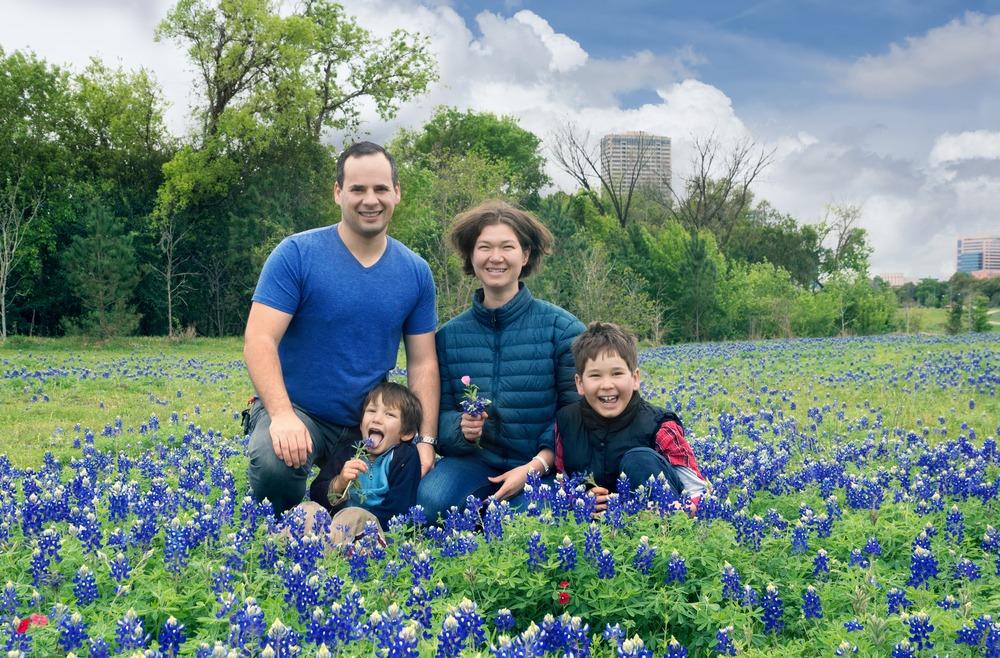
Photo Credit: IrinaK
To make the most of your Texas Hill Country wildflower experience, a little planning goes a long way. These tips will help you enjoy the vibrant blooms safely and responsibly while capturing unforgettable memories.
- Respect private property by staying on designated roads and trails; avoid trampling plants.
- Bring a camera and take only photos—leave the wildflowers for others and wildlife to enjoy.
- Wear comfortable walking shoes, sun protection, and carry water for outdoor excursions.
- Use early-morning or late-afternoon light for the best photography results.
Explore the Texas Hill Country Wildflowers
Whether you’re planning your first Texas wildflower adventure or returning as a seasoned bloom enthusiast, the Texas Hill Country offers experiences that connect visitors to the natural rhythms of the land. From the first bluebonnet sightings in early March to the final asters of fall, this remarkable region provides year-round opportunities to explore, appreciate, and help preserve one of America’s greatest wildflower treasures.
For those who want to immerse themselves in this breathtaking beauty every day, consider purchasing a home in Hye Springs Ranch. Embrace the chance to live amidst the vibrant blooms and peaceful rolling hills by finding your own piece of this exceptional community—where the wonder of Texas Hill Country wildflowers greets you year-round.